Unaverage
Lidské Tělo Seznam

Human Body
Lidské Tělo
Lidské Tělo: Stroj Stvořený k Adaptaci
Lidské tělo je často podceňováno. Mnoho lidí se k němu dnes chová, jako by bylo křehké jako papír — ve skutečnosti je ale jedním z nejmocnějších a nejpřizpůsobivějších „strojů“ na Zemi.
Když se podíváme zpět do evoluce, lidé přežili v jedněch z nejtěžších podmínek, jaké si lze představit. Naši předkové prosperovali jen s těmi nejzákladnějšími zdroji: jednoduchou potravou, přirozeným prostředím a neustálým pohybem. Navzdory hladu, zimě, horku a nebezpečí se lidské tělo přizpůsobilo — nejen aby přežilo, ale aby se vyvinulo v to, čím jsme dnes.
Tato schopnost adaptace v nás stále je. Tělo může zesílit pod stresem, zrychlit díky tréninku a být zdravější při správném „palivu“. Stejně jako stroj reaguje na to, jak se k němu chováme.
Dopřej mu špatnou údržbu — nezdravé jídlo, nečinnost, žádný spánek — a začne se rozpadat. Dopřej mu správnou péči — výživné potraviny, pohyb a odpočinek — a podá nejlepší výkon.
Pravda je, že jsme mnohem odolnější, než si většina lidí myslí. Lidské tělo bylo navrženo pro výzvy — a když respektujeme jeho potenciál, ukáže nám, jak mocným nástrojem nás evoluce učinila.
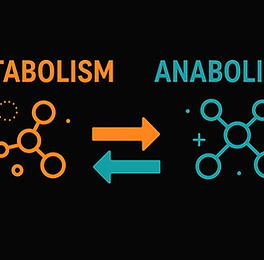
Human Body, Metabolism
Metabolizmus
Metabolismus: Co to Je a Proč Na Něm Záleží
Když lidé mluví o „zrychlení metabolismu“, obvykle tím myslí, jak rychle jejich tělo spaluje kalorie.
Metabolismus je ale mnohem víc než jen módní slovo spojené s hubnutím. Je to souhrn všech chemických procesů, které tě udržují naživu a funkční — od dýchání a krevního oběhu až po opravu buněk a trávení potravy.

Human Body, Calories
Kalorie:
Proč Nejsou Vším — Ale Stále Na Nich Záleží
Pokud jde o zdraví, hubnutí a kondici, jedno slovo dominuje téměř každé debatě: kalorie.
Pravděpodobně jsi už slyšel věty jako „kalorie dovnitř vs. kalorie ven“ nebo „prostě jez méně kalorií a zhubneš“. I když je to na základní úrovni pravda, soustředit se jen na kalorie může výživu příliš zjednodušovat a vést ke špatným výsledkům.
Kalorie jsou důležité — ale nejsou to to nejdůležitější. Klíč spočívá v pochopení toho, jak kalorie spolupracují s živinami, metabolismem a adaptačními mechanismy těla.

Human Body, Fasting
Půst
Půst, jedna z nejstarších terapeutických a duchovních praktik lidstva, si v posledních desetiletích znovu získal pozornost díky stále lépe zdokumentovaným zdravotním přínosům.
Přestože je často spojován s omezením kalorií, je půst lépe chápat jako dobrovolné zdržení se jídla — a v některých případech i nápojů — po určitou dobu.
Tato praxe ovlivňuje metabolické dráhy, mechanismy buněčné opravy a hormonální rovnováhu způsoby, které mohou při správném použití významně zlepšit zdraví.